
TrinitPro
MATERIALS & FINISHES

The Right Material. The Right Finish.

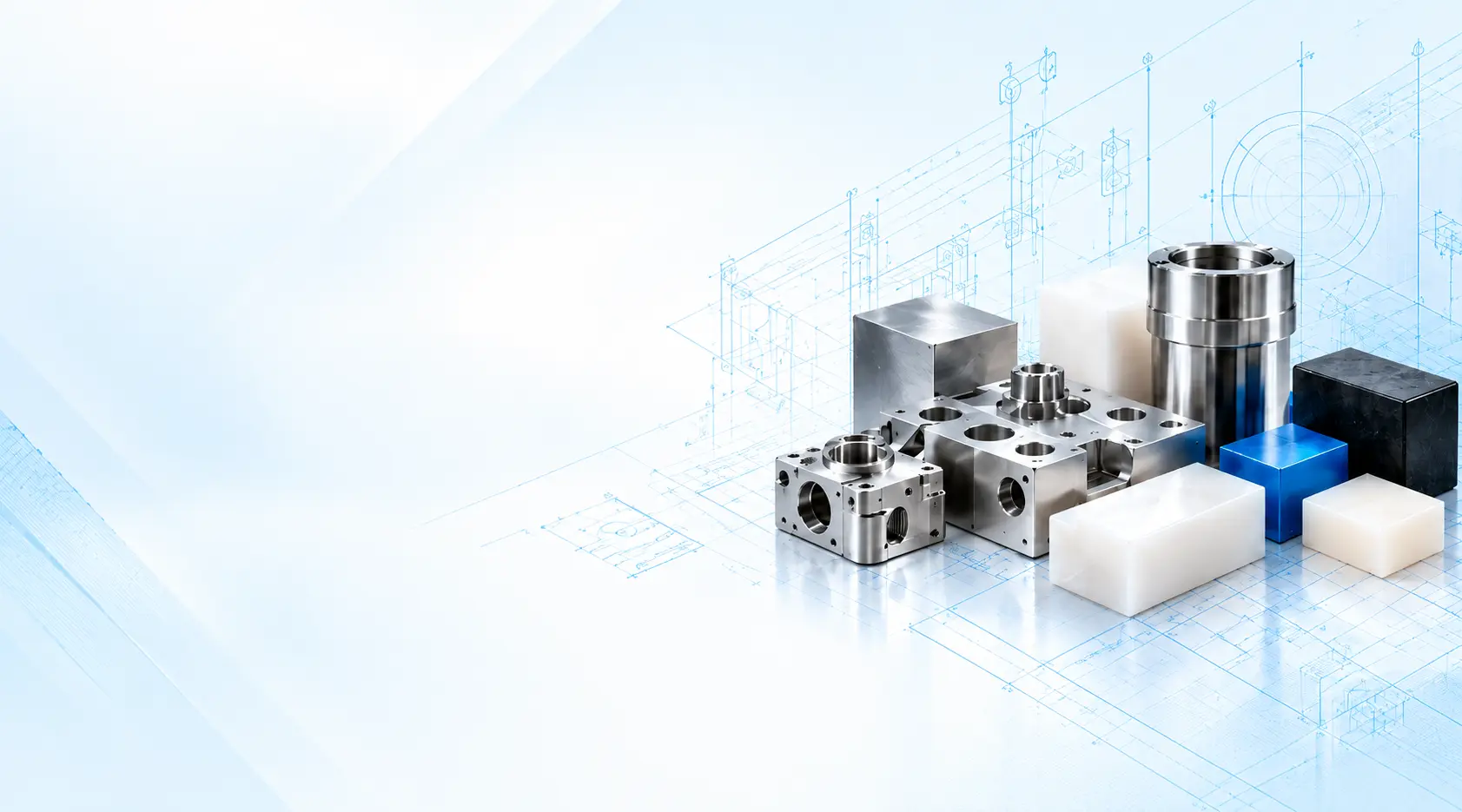
Explore materials and surface finishing options for your manufacturing projects. From metals and engineering plastics to functional and decorative finishes, find options suited to your component's performance, durability, appearance, and application requirements.

EXPLORE MATERIALS

Materials Explorer

Explore material families and commonly specified grades for sheet metal fabrication, CNC machining, 3D printing, and injection molding. Review typical properties, applications, material forms, and compatible finishing options to support your selection process.

Sheet Metal Fabrication: Aluminum selected.

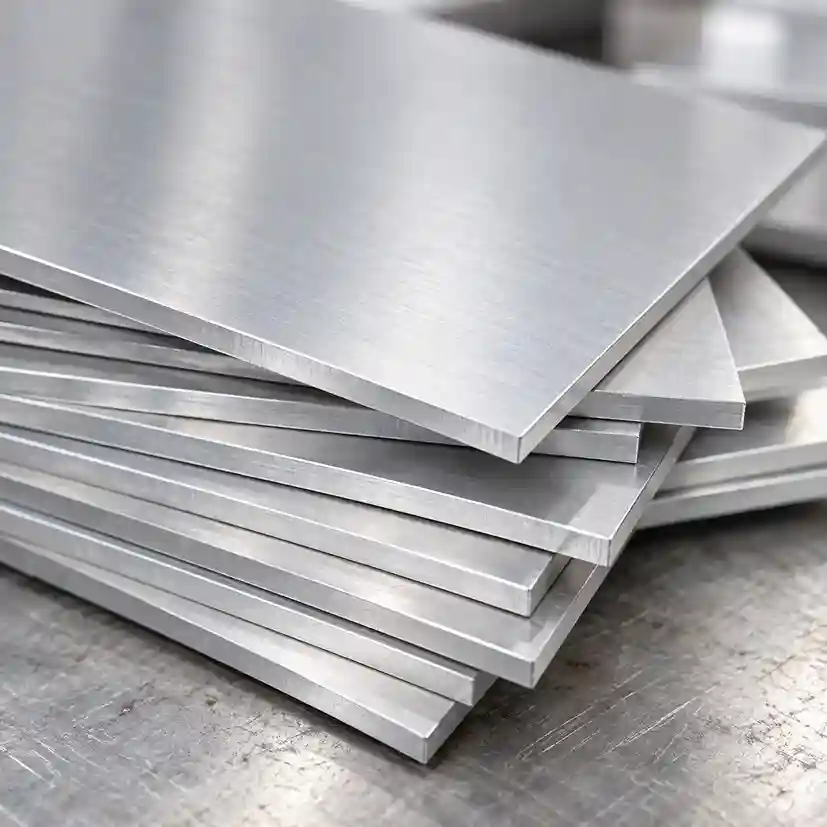
Aluminum material sample

Aluminum

Aluminum is a lightweight, versatile metal family widely used in sheet metal fabrication for structural components, enclosures, brackets, and industrial equipment. It offers a favorable strength-to-weight ratio, good formability, and corrosion resistance, with properties varying by alloy grade and temper.

Key Properties (Typical)

Aluminum typical properties
Density2.68-2.81 g/cm3
Tensile Strength190-570 MPa
Yield Strength90-505 MPa
Elongation5-20%
Hardness60-150 HB
Thermal Conductivity120-210 W/m-K
Corrosion ResistanceFair to Excellent
MachinabilityFair to Good
Heat TreatableYes, selected alloys (2024, 6061, 6063, 7075)

Available Grades

Aluminum available grades
6061Versatile, general purpose structural alloy
7075High Strength, aerospace applications
2024High Strength, good fatigue resistance
5052Excellent corrosion resistance and formability
6063Good surface finish and corrosion resistance

Common Applications

  • Aerospace
  • Automotive
  • Consumer Product
  • Semiconductor

Available Forms

  • Plates
  • Coils
  • Pre-Cut Blanks
  • Sheets

Surface Finish Option

  • As Fabricated
  • Anodizing
  • Brushing
  • Powder Coating
FINISHES & POST-PROCESSING

Explore Surface Finishes & Post-Processing Options.

Discover finishing and post-processing methods used to achieve different surface appearances, improve material performance, and meet functional requirements. Explore typical applications and material compatibility to identify options for your project.

All Finishes: 52 finishes. Anodizing selected.

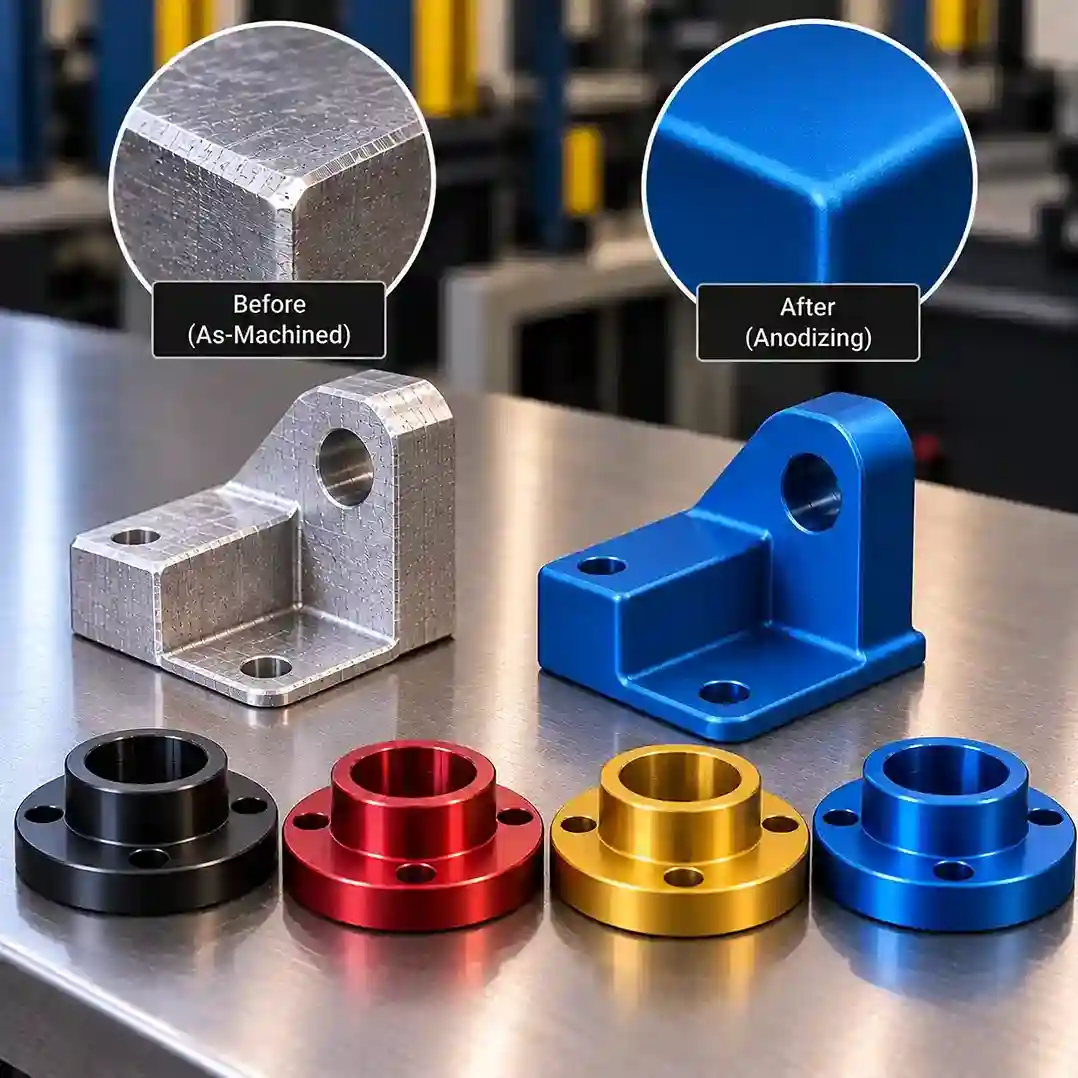
Anodizing surface finish sample

Anodizing

Anodizing is an electrochemical surface treatment that forms a protective oxide layer on aluminum. Depending on the process and alloy, it can improve corrosion resistance, enhance surface durability, and provide decorative finishes in different colors.

Finish Type
Electrochemical surface treatment
Appearance
Clear, matte, satin, or colored finishes, depending on specification.
Typical Application
Aluminum housings, brackets, enclosures, and mechanical components.
Compatible Materials
Aluminum alloys, subject to grade and process requirements.
MATERIAL SELECTION GUIDE

Choose Materials & Finishes with Confidence

Selecting a material and finish involves balancing performance, application requirements, manufacturing compatibility, and cost. Understand the key considerations to make more informed decisions for your components.

  1. Performance Requirements

    Consider strength, weight, operating temperature, corrosion resistance, wear, and environmental conditions.

  2. Application & Industry Requirements

    Review the component's intended use, operating environment, and applicable technical specifications or standards.

  3. Manufacturing Compatibility

    Evaluate material suitability for the selected manufacturing process, part geometry, tolerances, and finishing requirements.

  4. Surface Finish & Cost

    Balance surface appearance, functional finish requirements, material costs, processing considerations, and project budget.

LET'S DISCUSS YOUR REQUIREMENTS

Need Help Choosing the Right Material or Finish?

Share your component requirements, preferred materials, or finishing specifications with Trinit. Our team can discuss suitable options based on your application, manufacturing process, and project needs.